
Panthenol (Provitamin B5)
D-Panthenol · Provitamin B5
The molecule that turns into Vitamin B5 the moment it hits your hair.
Region
Germany · pharmaceutical fermentation
Form
Viscous colourless liquid
Shelf
36 months in sealed formulas
Class
Vitamin
Key finding
≥98%
Purity of pharmaceutical-grade D-panthenol
The brief.
Origin
Fermented in a German pharmaceutical facility using non-GMO glucose. USP-grade, the same purity used in wound-healing ointments.
Extraction
Fermentation yields the D-isomer only — the L-isomer is biologically inert. Purified to >98% before formulation.
Sustainability
Fermentation-derived, no animal inputs. The German facility runs on 100% renewable electricity and reuses fermentation water 8× per batch.
How it works.
Panthenol's hydroxyl groups form hydrogen bonds with ambient water molecules, drawing moisture into the cortex. Once inside, it converts to pantothenic acid (Vitamin B5), a cofactor in fatty-acid synthesis inside keratinocytes — the cells that build the cuticle. Result: softer, springier, less-static strands.
Delivers
- 01Draws moisture from the air into the cortex — a true humectant
- 02Converts to Vitamin B5 topically, supporting keratinocyte function
- 03Adds noticeable slip, softness and elasticity
- 04Reduces static and flyaways
Molecular signature.
The bio-active constituents that make Panthenol (Provitamin B5) work — with standardised percentages where measured by HPLC.
- 01
D-Panthenol
Alcohol precursor to pantothenic acid — converts to the vitamin inside the strand.
- 02
Hydroxyl groups
Bind water molecules from ambient humidity into the cortex.
Signal profile.
Six-axis assay
A living profile — the vectors that make Panthenol (Provitamin B5).
- Evidence52
1 peer-reviewed source
- Potency98
Standardised at ≥98%
- Safety92
Broad tolerance
- Heritage79
Documented across 3 traditions
- Sensory58
Vitamin profile
- Sourcing78
Traceable provenance
Heritage.
The record
Isolated in 1931 by Roger Williams and named for the Greek pantothen (from everywhere) because it appears in nearly every food. Its topical hair benefits were documented in the 1950s and it became the signature ingredient of the Pantene brand — named directly for the molecule.
Traditional use
None as an isolate — but B5-rich foods like liver, egg yolks and grains have been folk-medicine shine remedies globally.
Naturally found in
- Whole grains, liver, egg yolks
- Fermented biotechnologically for cosmetic and pharma use
- One of the most-studied hair humectants on record
Field → phial.
Every gram of Panthenol (Provitamin B5) passes five gates before it enters a Ghori formula. No shortcuts, no re-labels — the paper trail runs from soil to seal.
- 𖤣01
Stage 01
Harvest
Fermented in a German pharmaceutical facility using non-GMO glucose. USP-grade, the same purity used in wound-healing ointments.
- ❋02
Stage 02
Extract
Fermentation yields the D-isomer only — the L-isomer is biologically inert. Purified to >98% before formulation.
- ◇03
Stage 03
Assay
HPLC-verified. ≥98% standardised for purity of pharmaceutical-grade d-panthenol.
- ◉04
Stage 04
Formulate
Effective 0.5%–5% in leave-in and rinse-off formulas.
- ⌘05
Stage 05
Deliver
Stable 36 months in sealed formulas. Sealed under nitrogen where required.
Best for. Pairs with.
Best for
- ◆Dry or dehydrated hair that feels brittle
- ◆Fine hair needing lightweight moisture
- ◆Anyone in dry indoor heating or A/C climates
Pairs well with
In 4 formulas.
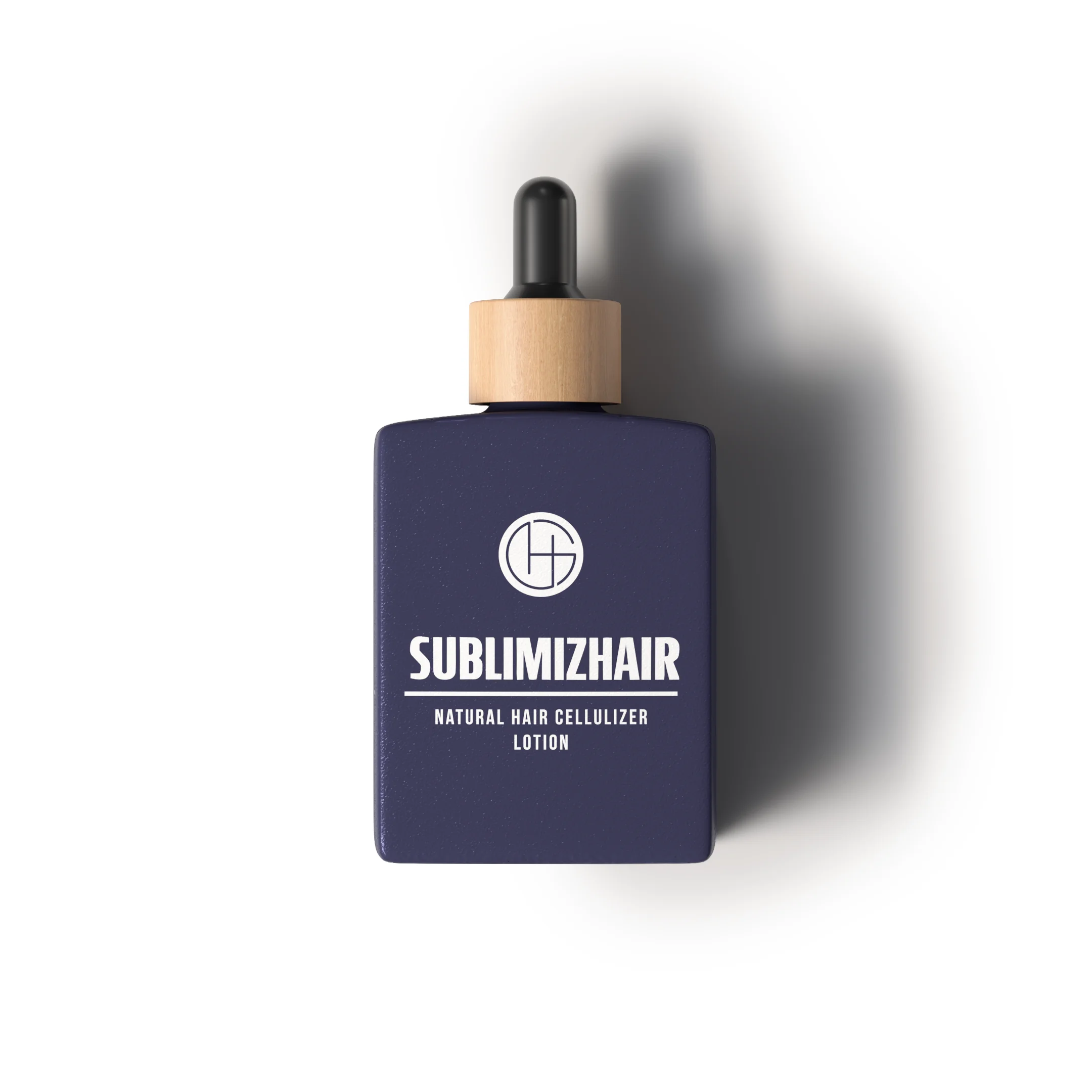
Hair Care
Ghori Sublimizhair Hair Serum
Weightless shine. Fortified strands.
Shop →
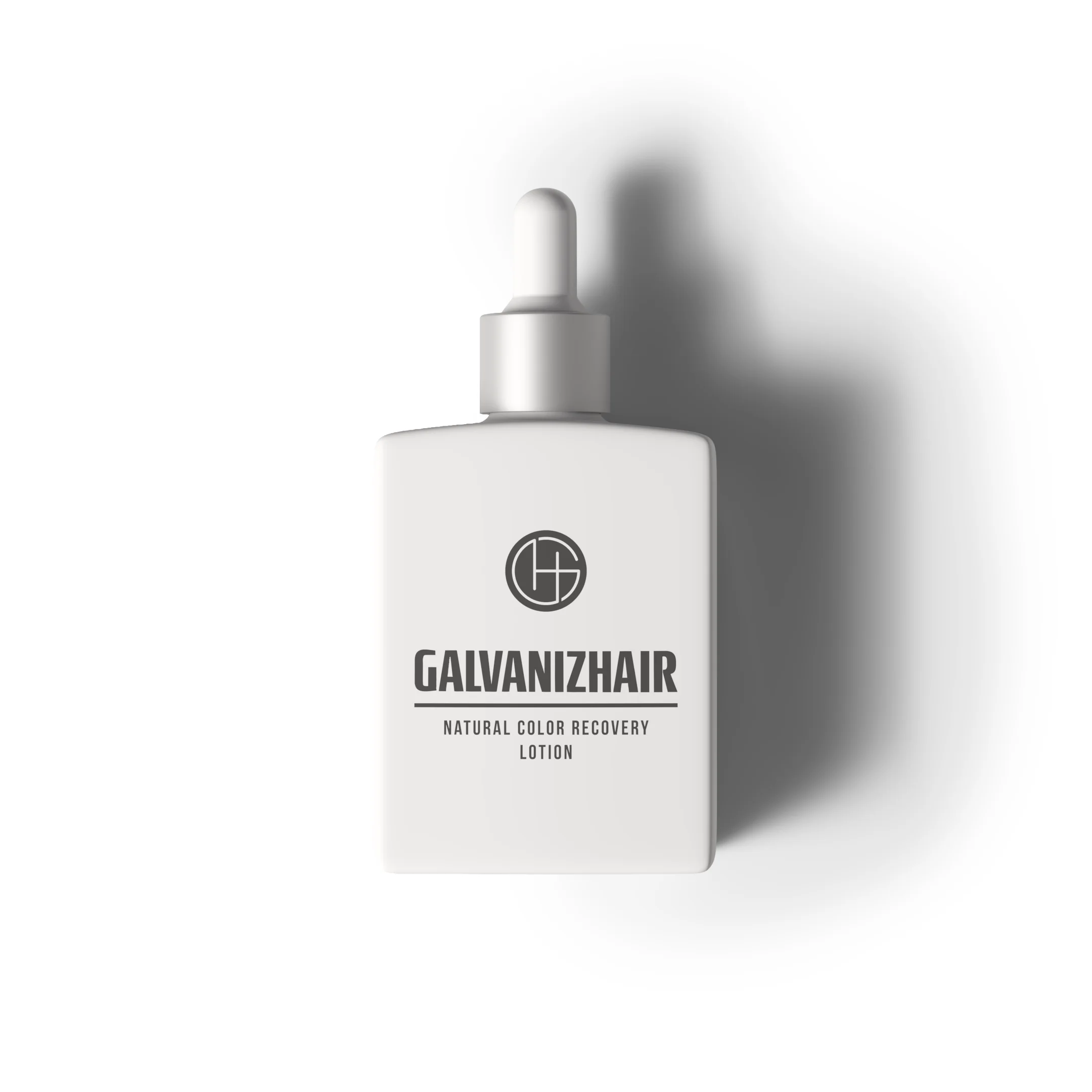
Hair Care
Ghori Galvanizhair Hair Serum
Fortifying serum for visibly denser hair.
Shop →
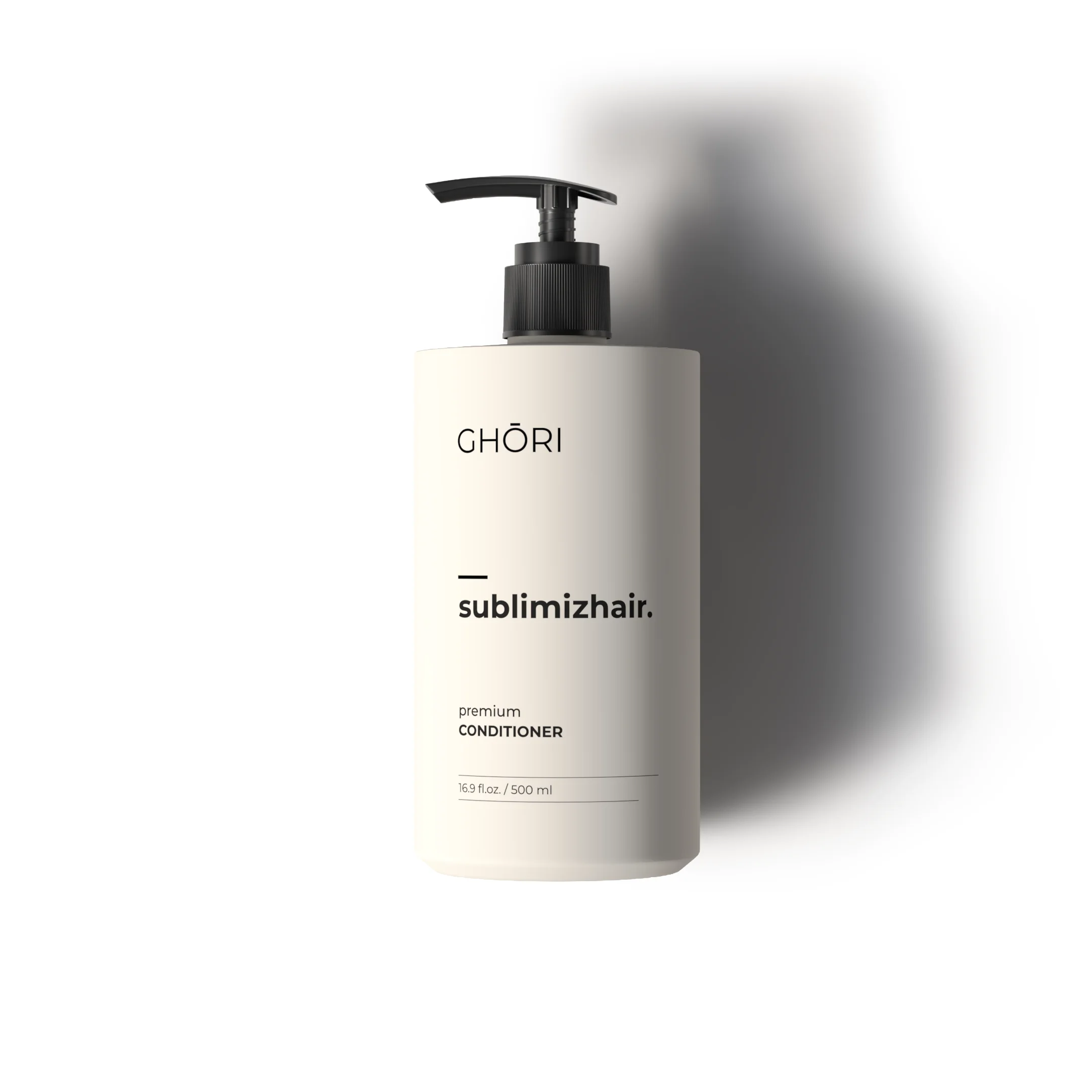
Hair Care
Ghori Sublimizhair Natural Premium Conditioner
Made in Korea · K-beauty glass-hair repair.
Shop →
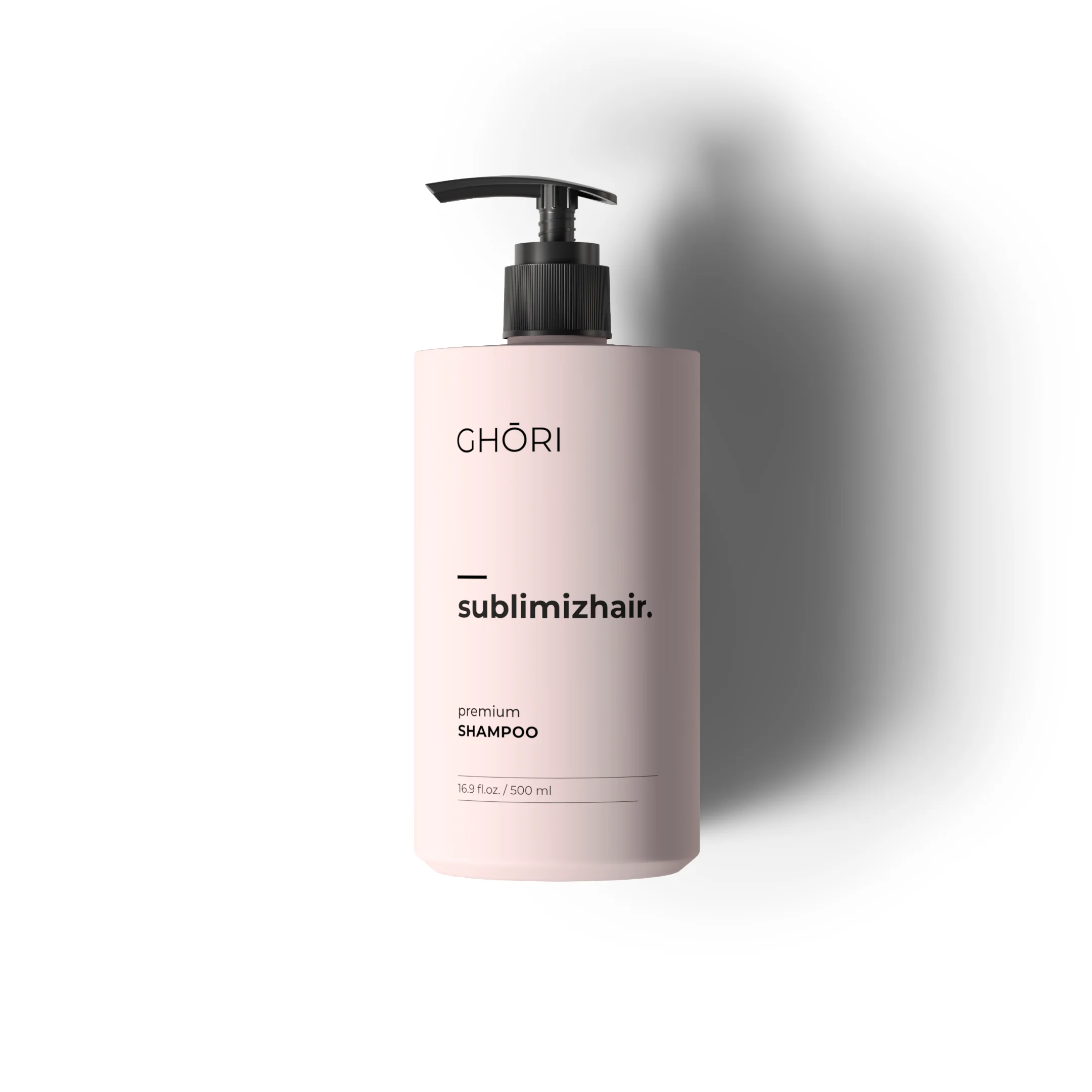
Hair Care
Ghori Sublimizhair Natural Premium Shampoo
Made in Korea · Hanbang herbal scalp reset.
Shop →
People often ask.
Is panthenol the same as B5?
Panthenol is the pro-vitamin form — it converts to active B5 (pantothenic acid) once it's inside your hair or skin.
Does panthenol build up on hair?
No — it's water-soluble and rinses cleanly. It's one of the few humectants that never causes residue.
The paper trail.
- [01]Ebner F, et al. Am J Clin Dermatol. 2002 — Topical use of dexpanthenol in skin and hair disorders.
More in Vitamin
Continue the dossier.
- 🇧🇪Strand fortification
Biotin
Vitamin B7 · D-biotin
The keratin cofactor every fragile strand quietly runs out of.
- 🇺🇸Antioxidant shield
Vitamin E (Tocopherols)
d-α-tocopherol · mixed tocopherols
The membrane antioxidant that stops your hair's fatty acids from going rancid.
- 🇯🇵Follicle energy
Niacinamide (Vitamin B3)
Nicotinamide · Vitamin B3
The NAD+ precursor that fuels the metabolically hungry follicle.