
Biotin
Vitamin B7 · D-biotin
The keratin cofactor every fragile strand quietly runs out of.
Region
Belgium · pharmaceutical-grade fermentation
Form
Water-soluble crystalline powder
Shelf
36 months in sealed formulas
Class
Vitamin
Key finding
500 Da
Molecular weight — small enough to penetrate the follicle
The brief.
Origin
Bio-fermented in a Belgian pharmaceutical facility using non-GMO yeast. Certified USP-grade and Kosher.
Extraction
Yeast fermentation produces the D-biotin isomer — the only stereoisomer the body can actually use. The crystallised active is then purified to >98% for cosmetic and pharmaceutical use.
Sustainability
Fermentation-derived, so no animal inputs and no land-use footprint. The Belgian facility runs on 100% renewable electricity.
How it works.
Biotin is a coenzyme in the carboxylase reactions that build keratin. When it's deficient, the body deprioritises hair and nail growth to protect vital organs. Topically delivered biotin bypasses gut absorption, targeting the follicle directly with the cofactor it needs to spin longer, stronger strands.
Delivers
- 01Cofactor for keratin synthesis — the protein 95% of your hair is built from
- 02Strengthens the cuticle, reducing breakage during brushing and styling
- 03Improves shine by tightening the outer scale layer of each strand
- 04Supports nail thickness and skin barrier as a bonus
Molecular signature.
The bio-active constituents that make Biotin work — with standardised percentages where measured by HPLC.
- 01
Bicyclic ureido ring
The carbon backbone that binds carboxylase enzymes during keratin synthesis.
- 02
Tetrahydrothiophene ring
Sulfur-containing ring that stabilises the molecule and helps it slip through the sebum layer.
- 03
Valeric acid tail
The 'anchor' that lets biotin dock into the follicle keratinocyte.
Signal profile.
Six-axis assay
A living profile — the vectors that make Biotin distinct.
- Evidence74
2 peer-reviewed sources
- Potency100
Standardised at 500 Da
- Safety92
Broad tolerance
- Heritage88
Documented across 4 traditions
- Sensory58
Vitamin profile
- Sourcing78
Traceable provenance
Heritage.
The record
Discovered in 1927 by Margarete Boas as 'protective factor X' in egg yolks, biotin was isolated in 1936, structurally decoded by Nobel laureate Vincent du Vigneaud in 1942, and added to the essential-vitamin registry the same decade. It has been trichology's default hair vitamin ever since.
Traditional use
Long before its isolation, egg-yolk hair masks — biotin's richest natural source — were a staple of North African and Indian hair care.
Naturally found in
- Egg yolks (richest natural source)
- Liver, salmon, sunflower seeds
- Sweet potato and almonds
- Nutritional yeast
Field → phial.
Every gram of Biotin passes five gates before it enters a Ghori formula. No shortcuts, no re-labels — the paper trail runs from soil to seal.
- 𖤣01
Stage 01
Harvest
Bio-fermented in a Belgian pharmaceutical facility using non-GMO yeast. Certified USP-grade and Kosher.
- ❋02
Stage 02
Extract
Yeast fermentation produces the D-biotin isomer — the only stereoisomer the body can actually use. The crystallised active is then purified to >98% for cosmetic and pharmaceutical use.
- ◇03
Stage 03
Assay
HPLC-verified. 500 Da standardised for molecular weight — small enough to penetrate the follicle.
- ◉04
Stage 04
Formulate
Topical: 0.05%–0.2%. Oral supplementation: 30–100 mcg / day is adequate for most adults; mega-doses can skew thyroid and troponin blood tests.
- ⌘05
Stage 05
Deliver
Stable 36 months in sealed formulas. Sealed under nitrogen where required.
Best for. Pairs with.
Best for
- ◆Brittle strands that snap mid-length
- ◆Post-diet, post-partum, or high-stress shed
- ◆Anyone with soft, peeling nails alongside hair thinning
Pairs well with
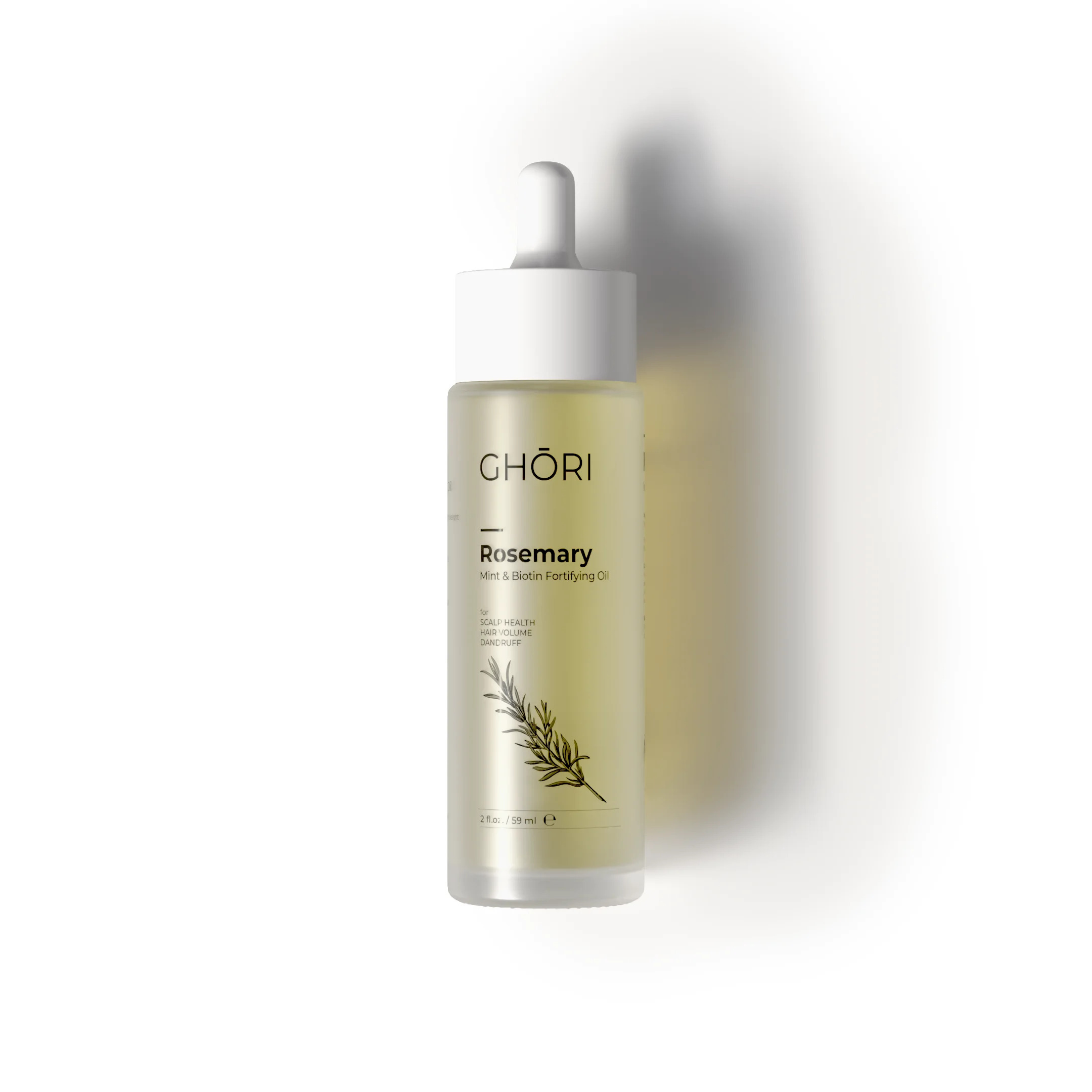
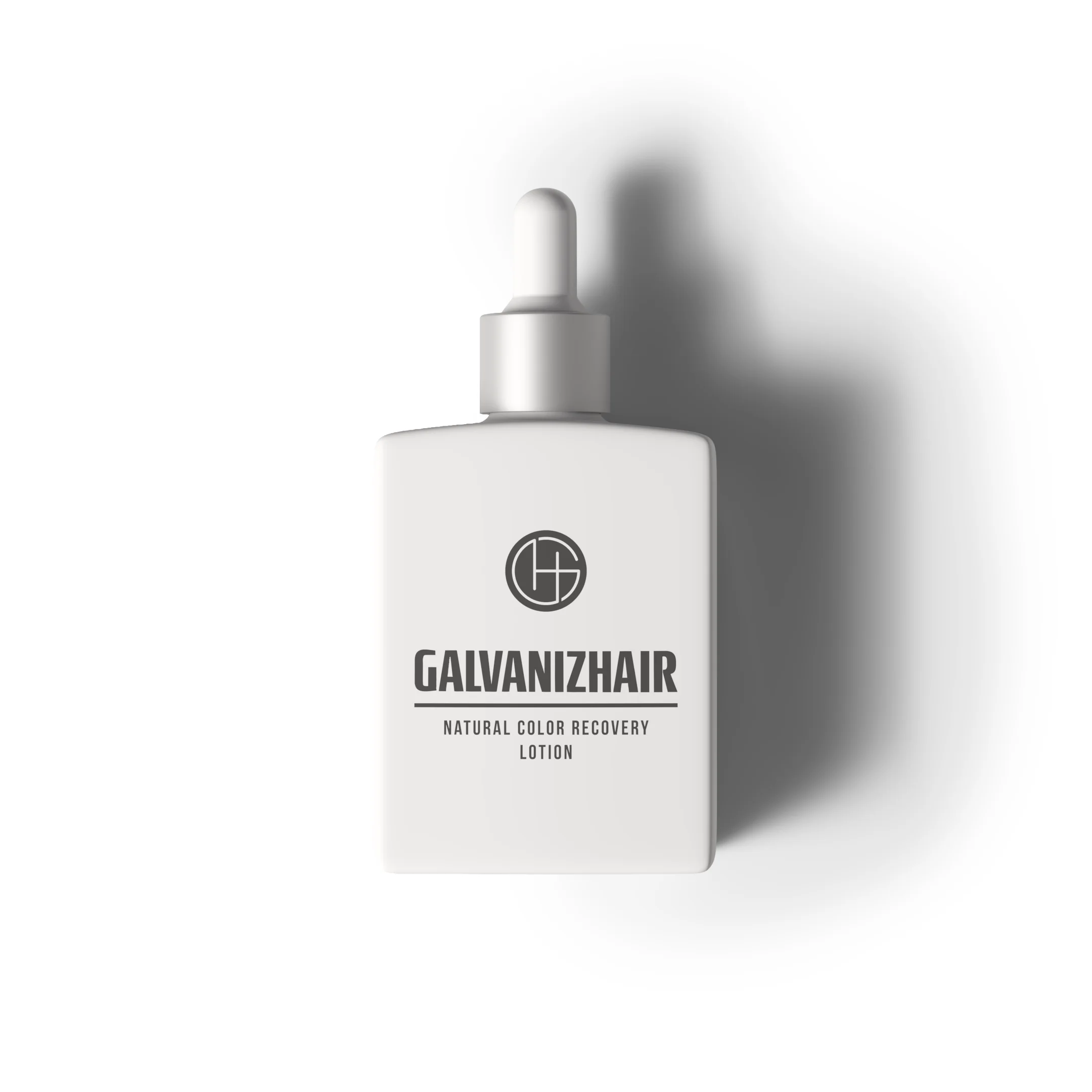
People often ask.
Does topical biotin actually reach the follicle?
Yes — biotin is a small, water-soluble molecule that passes through the sebaceous canal to the dermal papilla when carried in an oil or serum base.
Can I take biotin supplements too?
You can, but topical delivery is more targeted. If supplementing, stay under 100 mcg / day — mega-doses can skew lab test results.
Will biotin thicken my existing hair?
Individual strands can become measurably thicker within 8–12 weeks as new keratin is built with adequate cofactor supply.
The paper trail.
- [01]Patel DP, et al. Skin Appendage Disord. 2017 — A review of the use of biotin for hair loss.
- [02]Trüeb RM. Int J Trichology. 2016 — Serum biotin levels in women complaining of hair loss.
More in Vitamin
Continue the dossier.
- 🇩🇪Humectant repair
Panthenol (Provitamin B5)
D-Panthenol · Provitamin B5
The molecule that turns into Vitamin B5 the moment it hits your hair.
- 🇺🇸Antioxidant shield
Vitamin E (Tocopherols)
d-α-tocopherol · mixed tocopherols
The membrane antioxidant that stops your hair's fatty acids from going rancid.
- 🇯🇵Follicle energy
Niacinamide (Vitamin B3)
Nicotinamide · Vitamin B3
The NAD+ precursor that fuels the metabolically hungry follicle.