
Ceramide Complex
Ceramide NP, AP, EOP
The lipid mortar that stops your cuticle bricks from falling apart.
Region
South Korea
Form
Waxy solid dispersed in oil
Shelf
24 months sealed
Class
Peptide/Protein
Key finding
3
Bio-identical ceramide subtypes matching native hair-cuticle lipids
The brief.
Origin
Bio-fermented in South Korea. The three ceramide subtypes are matched to the exact ratio found in native human hair — bio-identical.
Extraction
Yeast-derived precursors are fermented, isolated, and blended to yield ceramide NP, AP, and EOP — the three ceramides most abundant in the hair cuticle's intercellular lipid matrix.
Sustainability
Yeast fermentation eliminates the animal-tissue extraction that older ceramide sources relied on. Fully vegan.
How it works.
Ceramides make up the intercellular lipid matrix that holds cuticle cells together. Chemical processes strip these lipids, leaving cells loose and hair porous. Applied topically, our ceramide complex slots back into those gaps, restoring the water-resistant seal that healthy hair depends on.
Delivers
- 01Rebuilds the cell membrane complex — the 'glue' between cuticle cells
- 02Reduces porosity, so hair holds moisture longer between washes
- 03Improves colour retention and prevents fade
- 04Restores softness lost after chemical services
Molecular signature.
The bio-active constituents that make Ceramide Complex work — with standardised percentages where measured by HPLC.
- 01
Ceramide NP
The most abundant ceramide in hair — a phytosphingosine + non-hydroxy fatty acid.
- 02
Ceramide AP
Phytosphingosine + α-hydroxy fatty acid — enhances water resistance.
- 03
Ceramide EOP
Ultra-long-chain 'anchor' ceramide that holds the whole lipid matrix together.
Signal profile.
Six-axis assay
A living profile — the vectors that make Ceramide Complex.
- Evidence52
1 peer-reviewed source
- Potency20
Standardised at 3
- Safety92
Broad tolerance
- Heritage80
Documented across 3 traditions
- Sensory64
Peptide/Protein profile
- Sourcing78
Traceable provenance
Heritage.
The record
Ceramides were only identified in the mid-1990s as the 'mortar' between skin corneocytes — earning Dr. Peter Elias the 2003 Kligman Award for the discovery. Their role in hair-cuticle integrity was published in 2000 by Uchiwa et al., and Korean skincare adopted them into shampoo formulas ahead of the West.
Traditional use
Rice-water rinses (Heian-era Japan and Miao tribe, China) were early ceramide-adjacent: rice bran is naturally lipid-rich and coats the cuticle.
Naturally found in
- Naturally in human hair, skin, and nails
- Rice bran, wheat germ, and soy
- Bio-fermented from yeast (our source)
Field → phial.
Every gram of Ceramide Complex passes five gates before it enters a Ghori formula. No shortcuts, no re-labels — the paper trail runs from soil to seal.
- 𖤣01
Stage 01
Harvest
Bio-fermented in South Korea. The three ceramide subtypes are matched to the exact ratio found in native human hair — bio-identical.
- ❋02
Stage 02
Extract
Yeast-derived precursors are fermented, isolated, and blended to yield ceramide NP, AP, and EOP — the three ceramides most abundant in the hair cuticle's intercellular lipid matrix.
- ◇03
Stage 03
Assay
HPLC-verified. 3 standardised for bio-identical ceramide subtypes matching native hair-cuticle lipids.
- ◉04
Stage 04
Formulate
Effective 0.1%–0.5% in leave-on and rinse-off products.
- ⌘05
Stage 05
Deliver
Stable 24 months sealed. Sealed under nitrogen where required.
Best for. Pairs with.
Best for
- ◆Colour-treated hair losing vibrancy after 2 washes
- ◆Hair that feels rough or 'squeaky' after cleansing
- ◆Very porous hair that drinks water and dries frizzy
Pairs well with
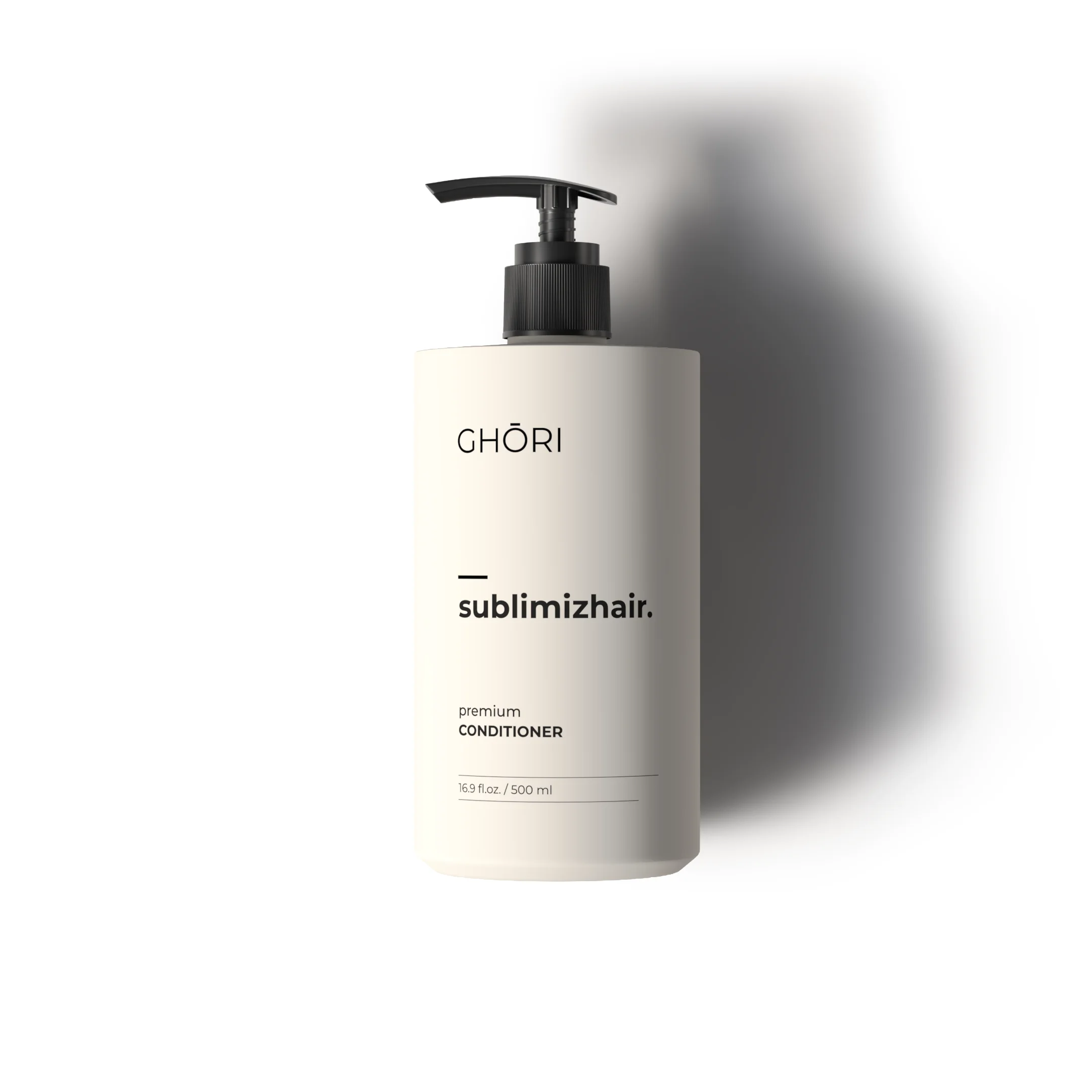
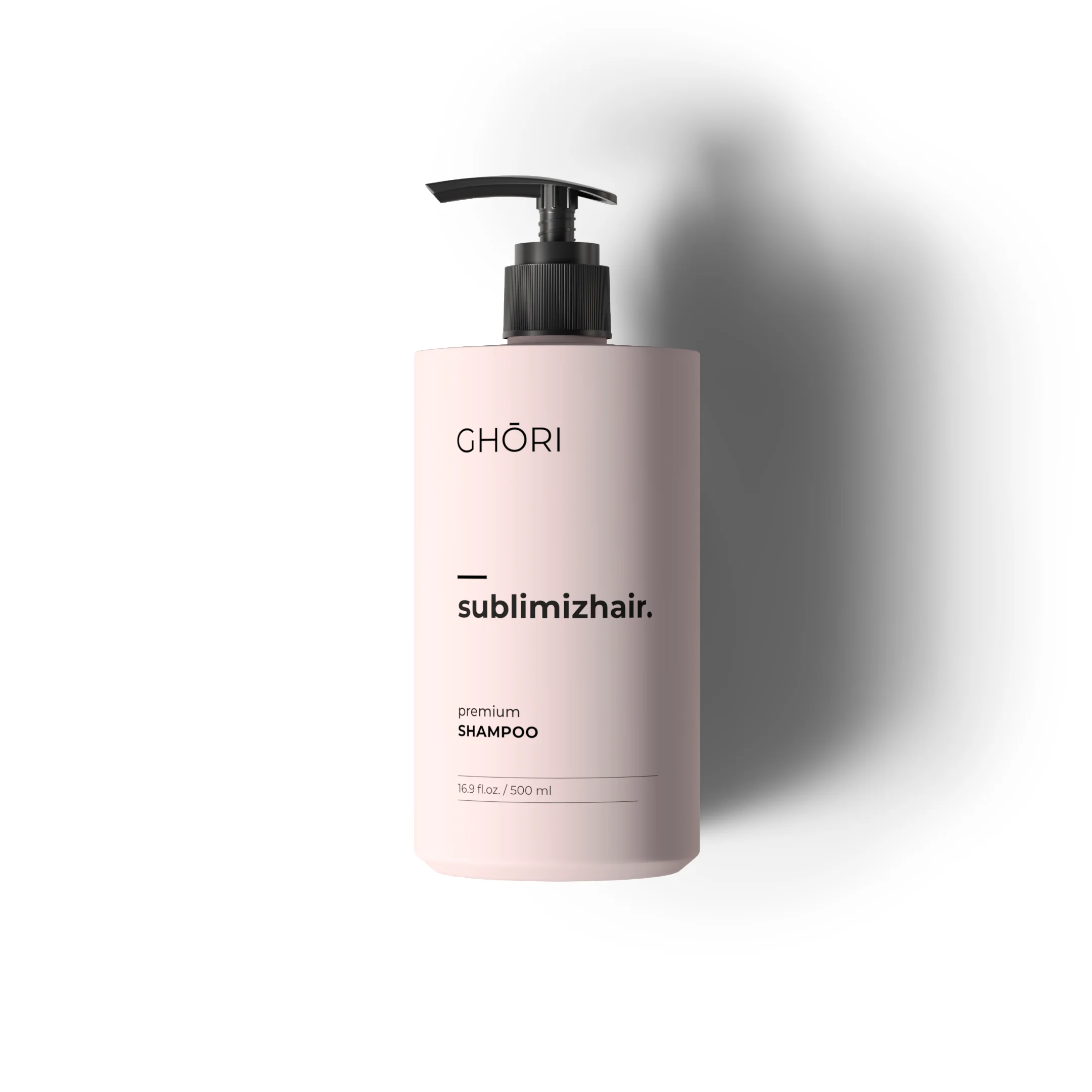
People often ask.
Are ceramides like a silicone?
No — silicones sit on top of the cuticle. Ceramides integrate into the cell membrane complex, working with your hair's own biology.
Do ceramides wash out?
No — because they're bio-identical, they integrate into the cuticle's lipid layer and only leave as the cuticle naturally sheds.
The paper trail.
- [01]Uchiwa H, et al. J Cosmet Sci. 2000 — Ceramide distribution in human hair.
More in Peptide/Protein
Continue the dossier.
- 🇰🇷Structural repair
Hydrolyzed Keratin
Plant-fermented hydrolysed protein
The same protein hair is made of — pre-cut to slip inside a damaged cortex.
- 🇨🇳Ancient shine
Silk Amino Acids
Hydrolysed Bombyx mori · silk peptides
18 amino acids from silk — the closest protein match to human hair.
- 🇰🇷Cuticle sheen
Hydrolyzed Silk
Hydrolysed silk fibroin
Silk fibroin, pre-cleaved to a size the cuticle actually accepts.